
Share with your CIO
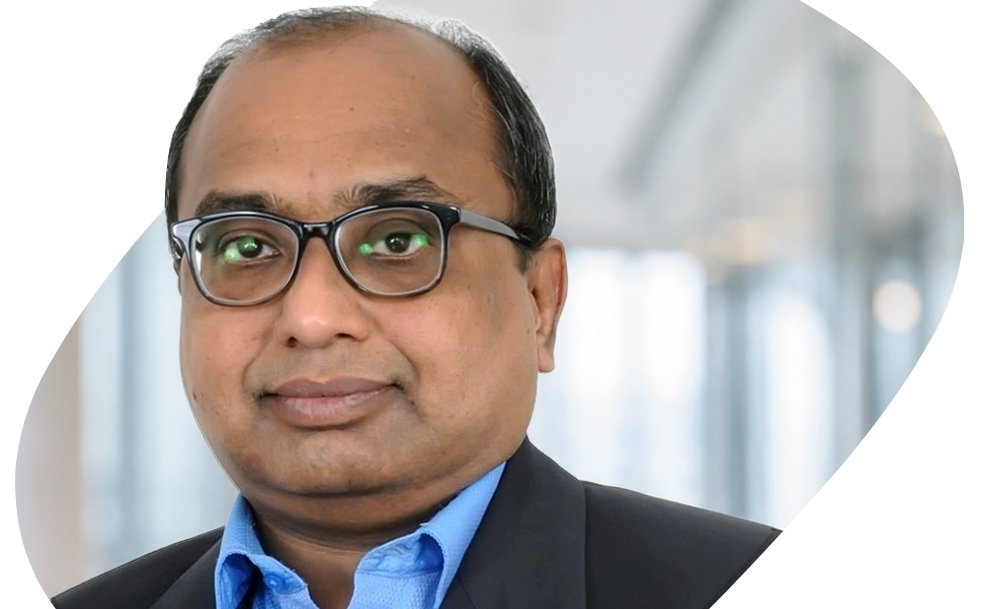
Medusind is betting that a dedicated Chief AI Officer can turn its revenue cycle management platform into a genuine automation engine for physician practices and health systems. The company named Raju Siva to the newly created role, drawing on his tenure building enterprise automation at Omega Healthcare and more than 20 years at Cognizant running large-scale digital transformation programs. The mandate covers enterprise AI strategy, platform engineering, and next-generation automation capabilities, all pointed at a single outcome: getting healthcare providers paid faster and more completely.
What this means for your business
Healthcare revenue cycle management, the administrative layer that translates clinical work into reimbursement, is exactly the kind of document-heavy, rules-dense workflow where AI automation creates compounding returns rather than one-time efficiency gains. Whether this appointment matters to you depends on one thing: are you a health system or physician group still running RCM largely on human labor and rules-based software? If yes, Medusind’s direction signals where the floor of competitive expectation is moving. If you’re already evaluating AI-native RCM vendors, this is a data point on who’s catching up.
The framing Medusind chose is worth noting. Both the CEO and CTO quotes emphasize “practical,” “secure,” and “aligned to real business outcomes,” which is a deliberate counter-signal to the hype cycle around generative AI in healthcare. That positioning, probably accurate given Siva’s background in operational automation rather than frontier model development, also reflects a vendor competing on reliability against point solutions making bigger claims. CIOs evaluating RCM platforms should read “practical AI” not as modesty but as a product promise about deployment risk, and press the vendor on what that means in SLA terms.
The structural move here is the CAIO role itself. When a mid-market services company creates a C-suite seat for AI, it’s not just a recruiting signal; it’s an organizational commitment that AI decisions will sit at the strategy table rather than inside an engineering org reporting up through the CTO. That changes vendor accountability. If Medusind’s AI roadmap slips or produces compliance exposure in claims processing, there’s now a named executive to hold. CIOs renewing or initiating RCM contracts in the next 12 months should ask any vendor without that governance structure who, specifically, owns the AI failure mode.
Based on reporting from Medusind Names Raju Siva Chief AI Officer to Expand Intelligent Revenue Cycle Automation, originally published 2026-07-16 11:34:00.