

Share with your CTO
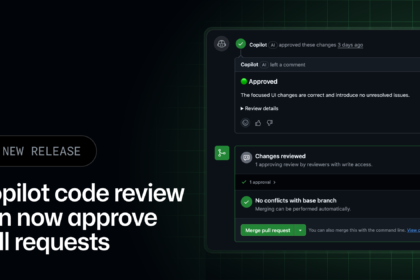
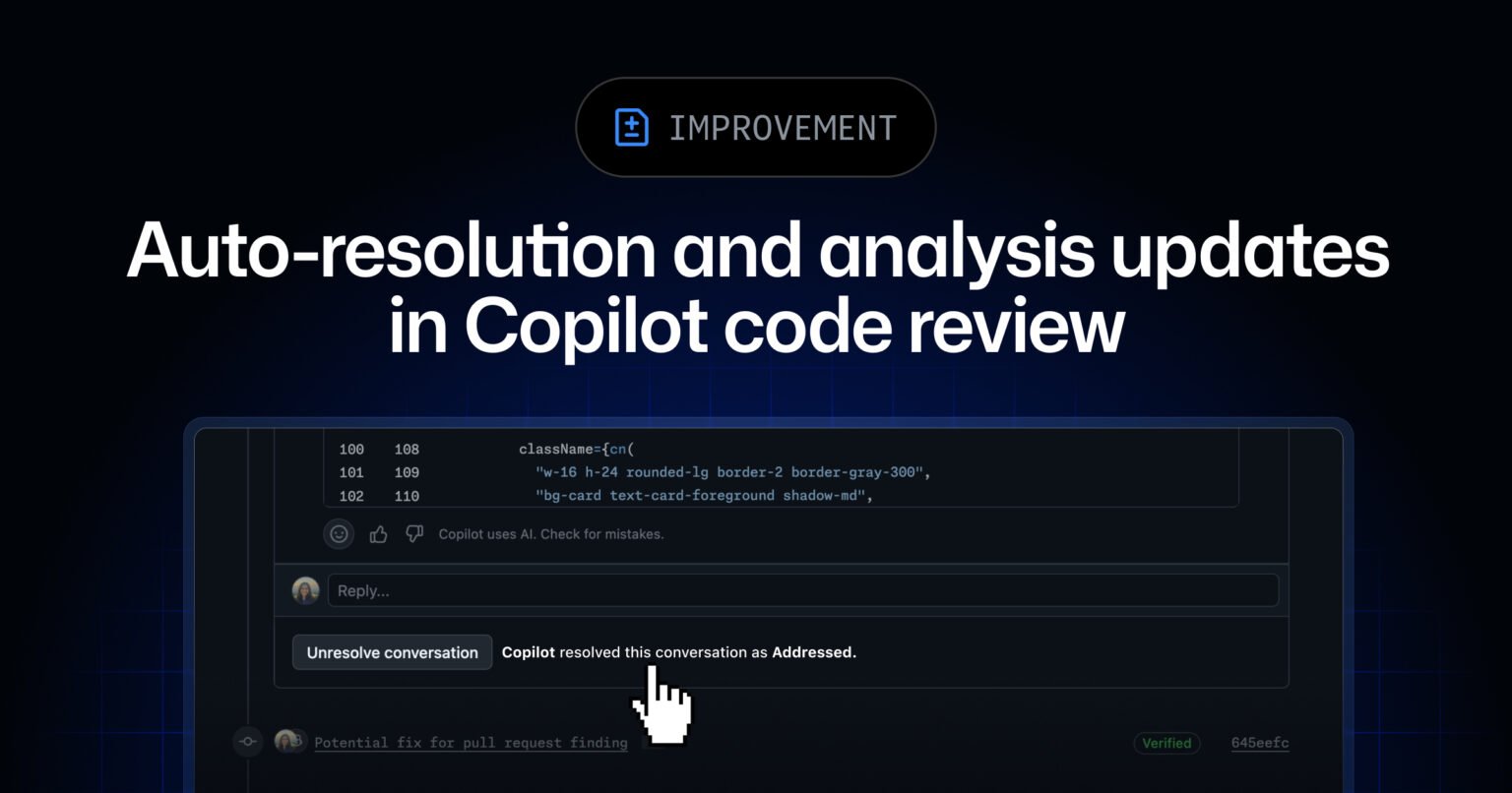
GitHub is making Copilot code review meaningfully more autonomous. The latest Copilot code review updates auto-resolve comments once a developer addresses them, generate contextual commit messages when applying AI suggestions, and expand Copilot’s backend tooling to run builds and tests during analysis. The headline number: switching the “Lite” review tier to an ensemble of agents lifted high-severity findings addressed per review by 47%, medium by 31%, and low by 11%, while cutting review cost by roughly 8%.
What this means for your business
The auto-resolution feature sounds minor until you’ve watched a pull request thread accumulate 30 Copilot comments, half of which are stale after two commits. Developers stop trusting the review queue. They start skimming. The actual signal gets buried under resolved noise that nobody manually closed. GitHub is fixing the trust loop, not just adding features, and that distinction matters for adoption at scale.
The ensemble approach in Lite reviews is the more structurally interesting move. Rather than scaling a single model’s capacity, GitHub is running multiple agents in parallel and synthesizing their outputs, a pattern borrowed from how high-stakes human review panels work. The cost reduction alongside quality improvement suggests this isn’t just throwing more compute at the problem. It’s a better architecture. Engineering leaders betting on AI-assisted review as a substitute for some portion of human code review now have cleaner ROI math to bring to that conversation.
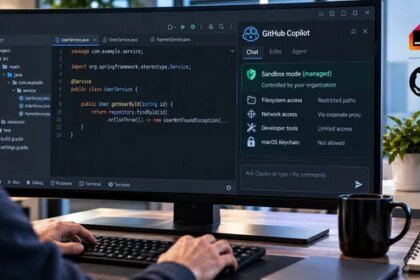
The signal worth watching: Copilot now runs shell commands, builds, and tests during review, behind its agent firewall. That’s a qualitative shift from text analysis to dynamic code execution. If that capability matures, the gap between “AI reviewer” and “AI that actually runs your code before commenting” closes fast, and the bar for what counts as acceptable human-only review time rises with it.
Concept deep-dive: Ensemble agents
An ensemble agent approach runs multiple independent AI agents against the same task, then merges their outputs rather than relying on one agent’s single pass. It exists because any individual model has blind spots, and those blind spots are somewhat random. Multiple independent reviewers catch different things. Think of it like a code review panel versus a solo reviewer. The business connection is direct: higher defect catch rates before production mean lower incident costs downstream, and GitHub’s numbers suggest the ensemble delivers this without a cost premium.
Based on reporting from Auto-resolution and analysis updates in Copilot code review, originally published 2026-09-11 16:00:00.